The best work is still ahead.
Let’s build what comes next.
Let’s talkSt. Louis, Missouri 38.63° N / 90.20° W
Currently at Arrows Up
B.S. Computer Science · Mathematics minor · Missouri State University, 2025 Based in St. Louis, Missouri
Let’s build what comes next.
Let’s talk01 / Selected work
Read the case studiesClinical documentation / N-of-1 AI
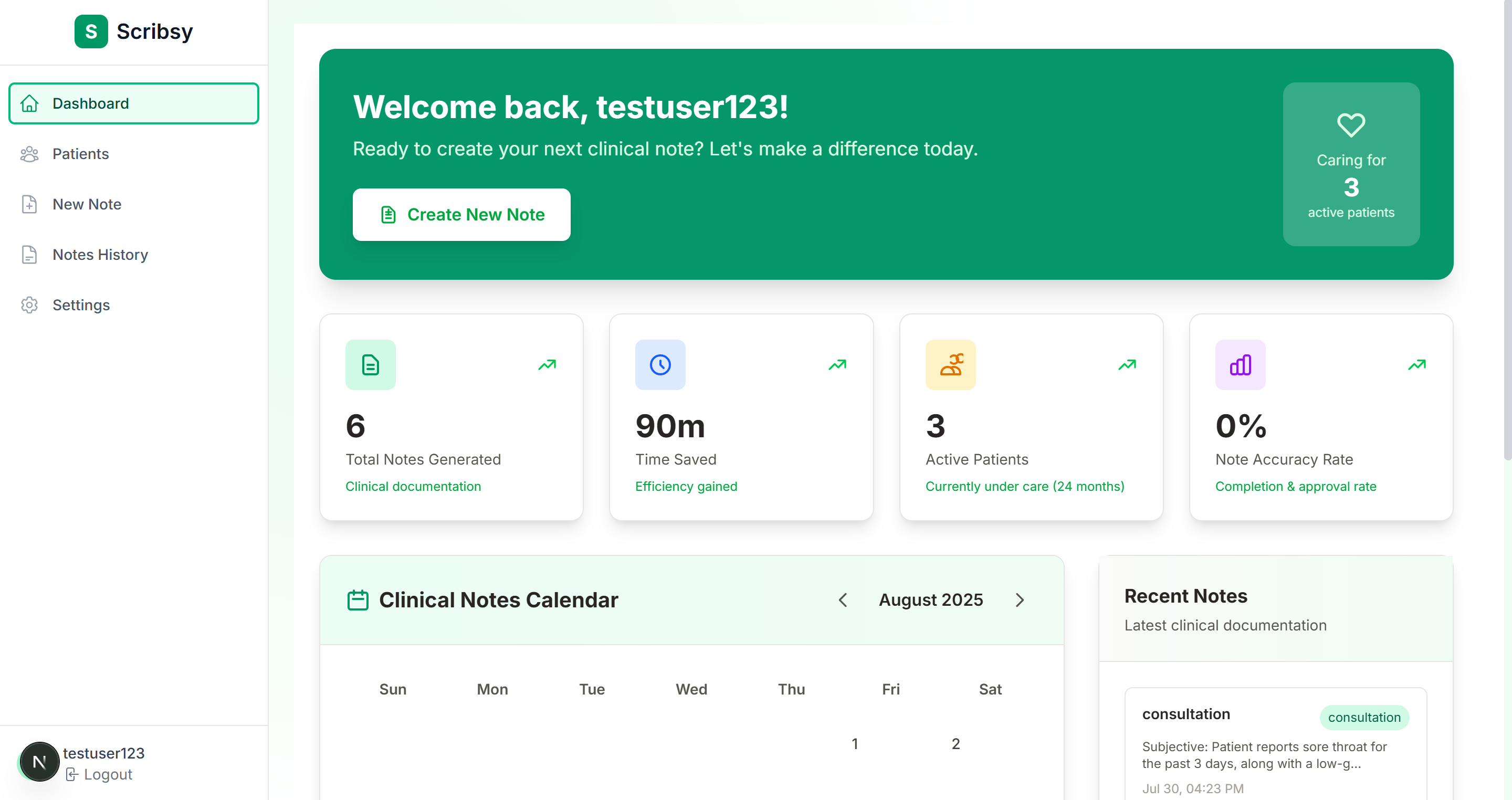
I built the audio transcription, structured SOAP generation, and note-management workflow for a clinical documentation application.
Engineering case studies
Client platforms, applied AI, and the systems that keep them working.
01 / Applied AI · Internship
I built the audio transcription, structured SOAP generation, and note-management workflow for a clinical documentation application.
Software Engineering Intern · N-of-1 AI
June — August 2025
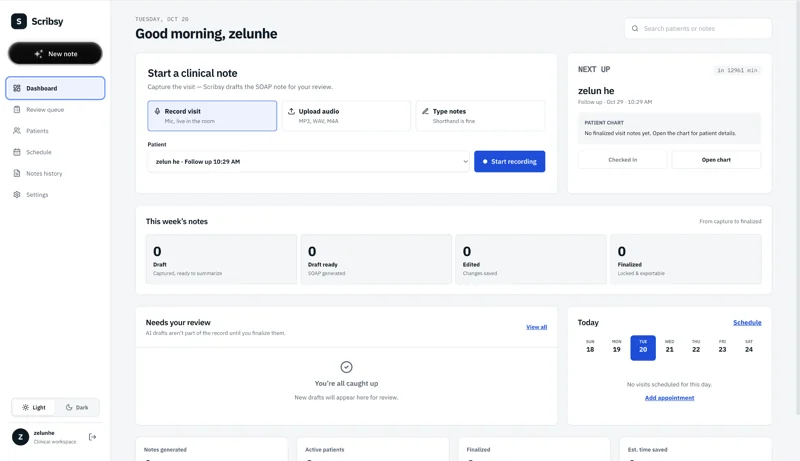
Next.js interface · FastAPI backend
Turn a recorded conversation into an organized draft that a practitioner can inspect and edit.
Connected audio processing, structured note generation, and a Next.js review interface through FastAPI endpoints.
Key engineering decision
Keep the transcript and structured SOAP sections available in the review workflow, so the practitioner can check and revise the output before exporting it.
Inspect the result
The fictional sample visit makes the review workflow available without an account or a live AI request.
DeliveredA review workflow that preserves edited SOAP sections, locks finalized records, and exports structured notes as PDFs.
Next.js · FastAPI · Whisper · Structured SOAP output
No signup · Fictional sample · Edit a draft and export a PDF
02 / Full-stack systems · Personal project
I built a manuscript-to-audiobook workspace with persisted narration jobs, private chapter playback, and recovery after interrupted processing.
Full-stack developer · Personal project
Author workspace, authenticated APIs, queue and narration worker
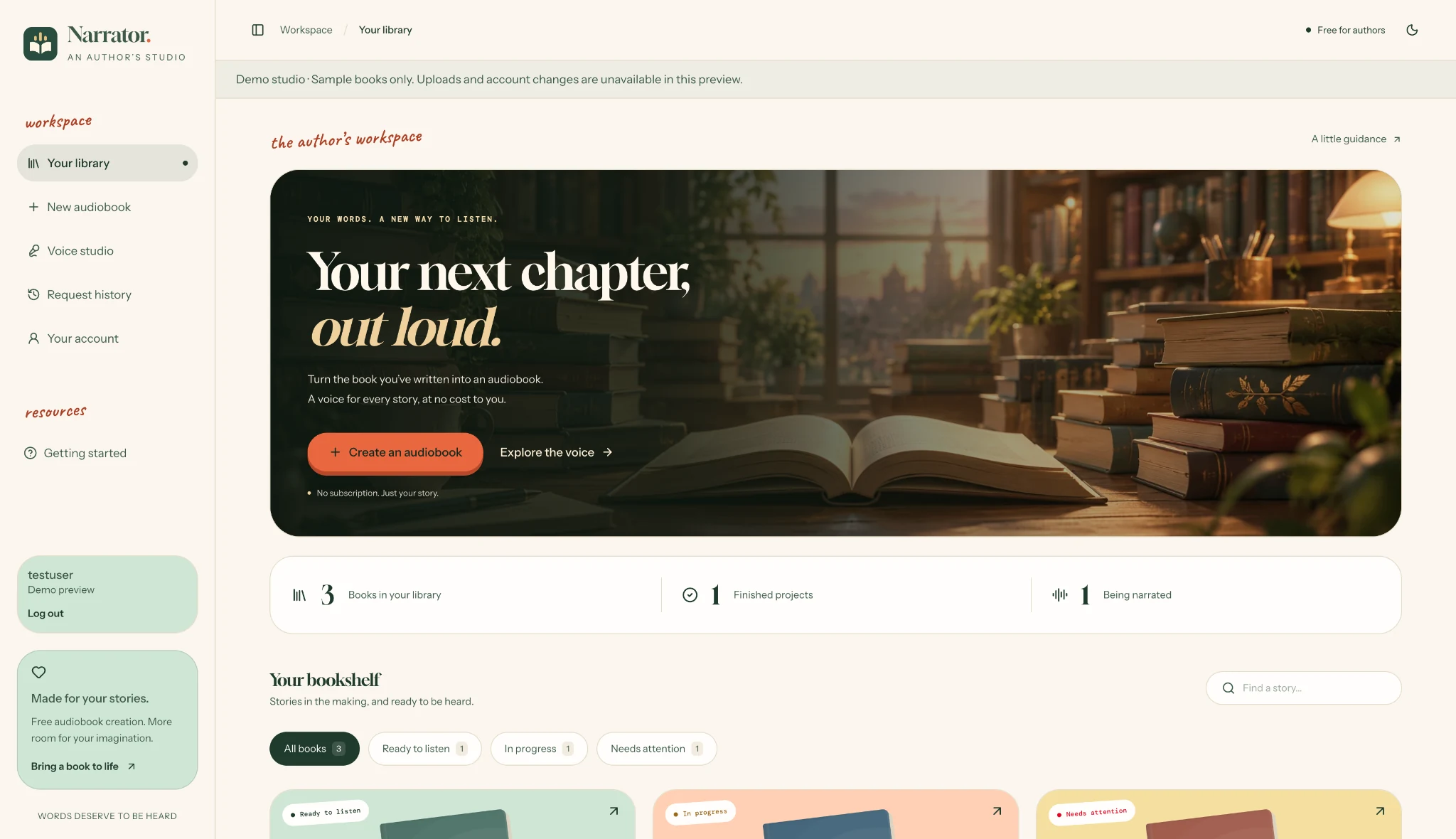
Author workspace · Persistent narration backend
Book-length narration outlives an HTTP request. Closing a browser or interrupting a worker should not erase the manuscript or completed chapters.
Built the author interface, ownership-checked APIs, transactional job queue, narration worker, and private playback and download routes.
Key engineering decision
A separate worker claims a renewable lease and saves each completed chapter. A retry reuses valid chapter audio, while ownership tokens are checked before completion is committed.
Failure & recovery
The backend integration test makes FFmpeg unavailable after chapter generation. The job fails with its chapter files preserved. After FFmpeg is restored, a retry completes the export; the test checks that the saved chapter paths are unchanged.
Inspect the recovery tests ↗DeliveredA persisted manuscript-to-audio workflow with recoverable processing, seekable chapter playback, and MP3 / chapter ZIP downloads.
Next.js · TypeScript · Better Auth · SQLite · Piper · FFmpeg · Docker
No signup · Fictional sample studio · New audio generation requires the persistent backend
03 / Client website · Professional work
I built a responsive corporate and coffee brand website connecting Eastern Asteria’s sourcing, Deep Thrill brand, hospitality, and technology in one visual story.
Software Engineer · Arrows Up
Client website
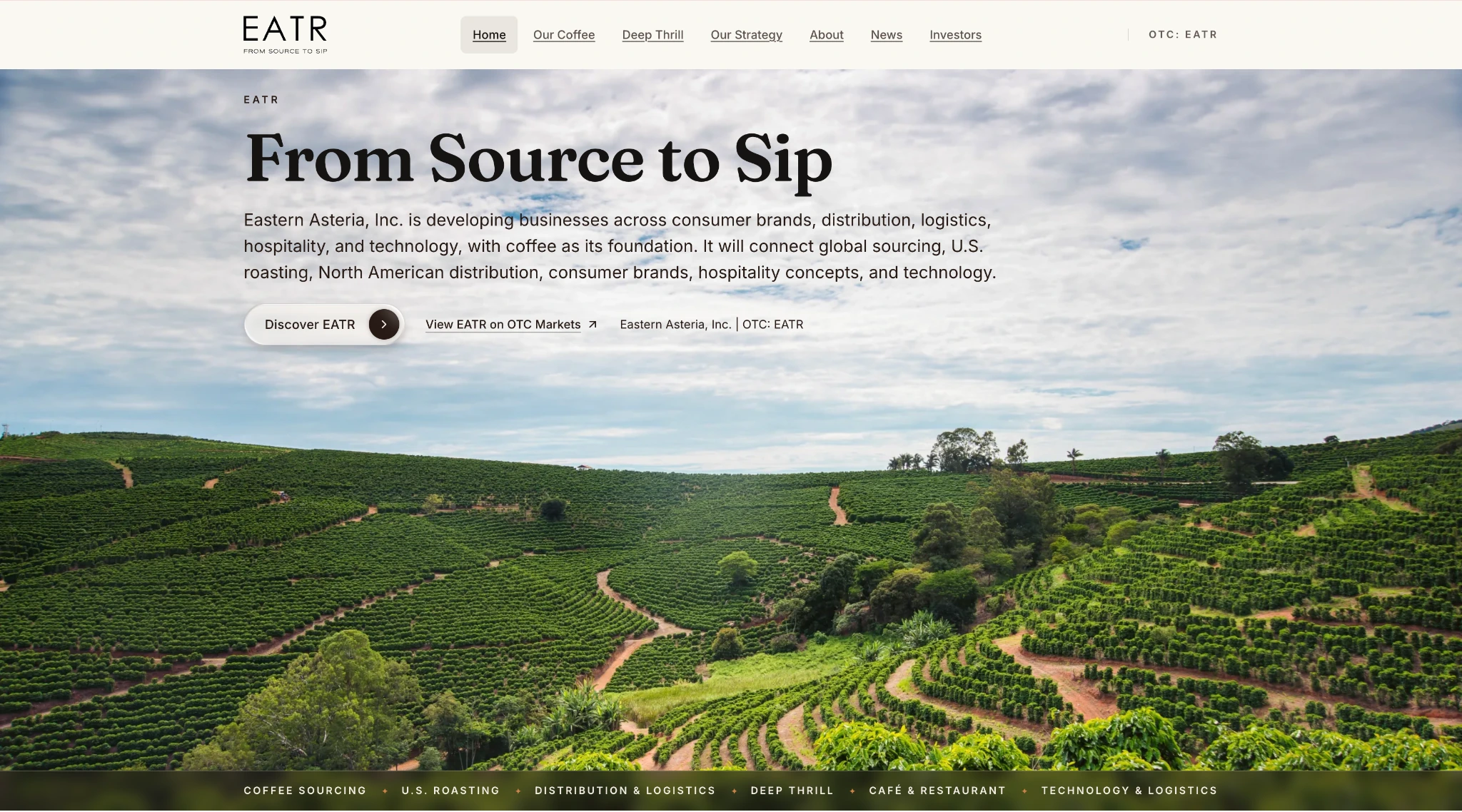
Eastern Asteria · Corporate and coffee brand website
Present the company’s coffee, hospitality, and technology offerings clearly while keeping a cohesive identity across the corporate site and coffee brand.
Built responsive pages and organized the company’s offerings into a consistent visual presentation, connecting the corporate story with the Deep Thrill brand.
Key design decision
Use a consistent page structure and visual language across the company’s business areas, while giving each offering enough space to explain its role.
Review the delivery
The full-size homepage capture shows the delivered “From Source to Sip” interface. Use the website link below to explore the company’s offerings and review how the shared navigation and presentation connect them.
Open the full-size delivery capture ↗DeliveredA corporate and coffee-brand site with shared navigation and page structure across the company’s offerings.
Responsive web · Brand storytelling · Client delivery
Professional team work · Arrows Up client website
04 / Client website · Professional project
I rebuilt Holcomb Tree Service’s website to make its tree-care services easier to explore and help prospective customers request a consultation.
Software Engineer · Arrows Up
Client website rebuild
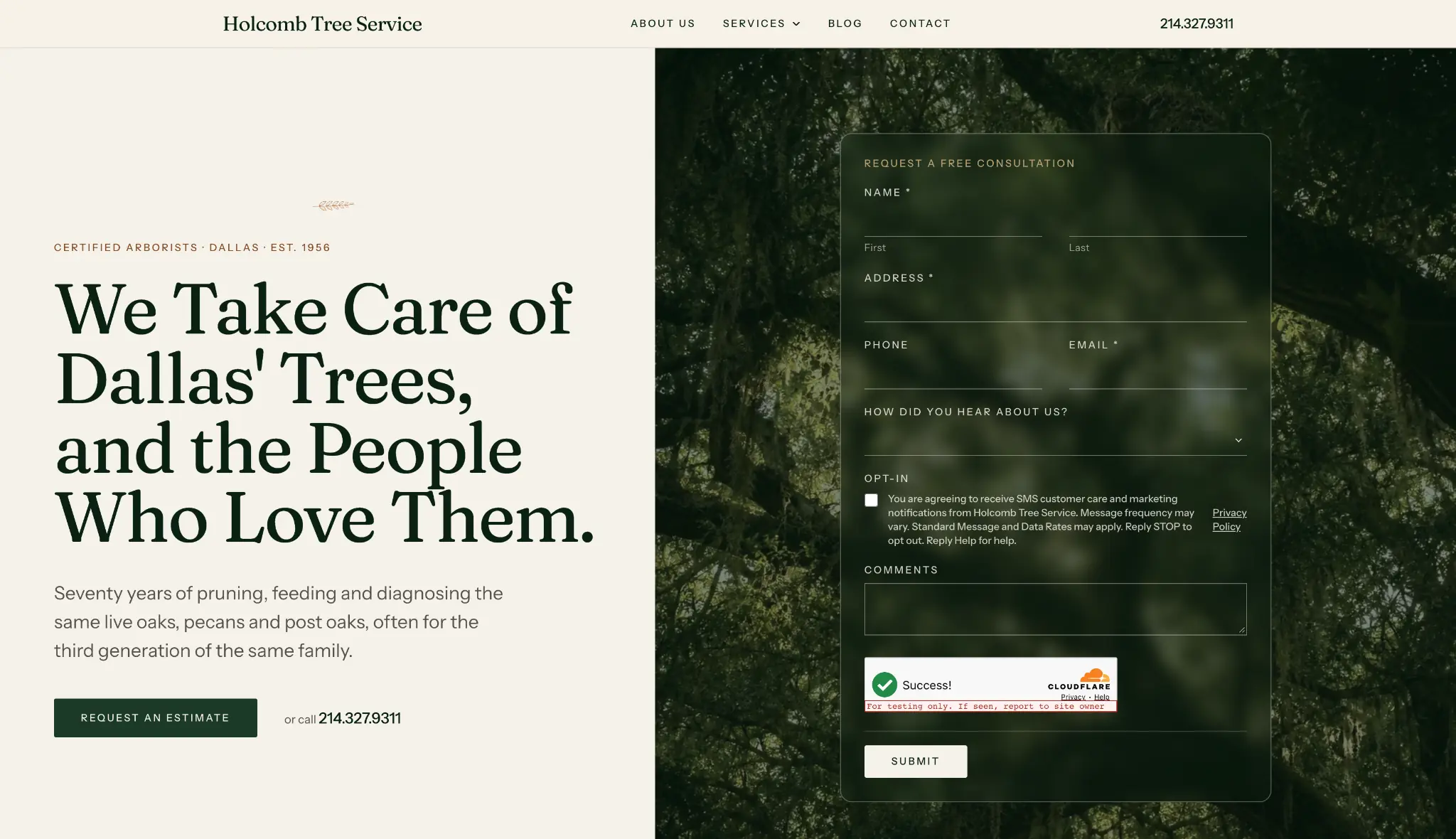
Holcomb Tree Service · Tree-care website rebuild
Help visitors find relevant tree-care services and move easily from learning about the company to requesting a consultation.
Built responsive page layouts, organized the service navigation, and implemented clear consultation entry points as part of the Arrows Up team.
Key design decision
Connect the company’s service information with prominent estimate and consultation actions, so visitors have a clear next step as they explore the site.
Review the delivery
The homepage capture shows the service navigation alongside a consultation form. Use the official website below to inspect the service information and consultation entry points described in this case study.
Open the full-size delivery capture ↗DeliveredA SvelteKit rebuild connecting tree-care service information with visible consultation entry points.
SvelteKit · TypeScript · Responsive web · Cloudflare
Arrows Up client project · Official website
02 / Research & publication
Published research · ITNG 2026 · Springer
Rethinking the Encoder–Decoder Structure for Transformer-Based Time Series Forecasting
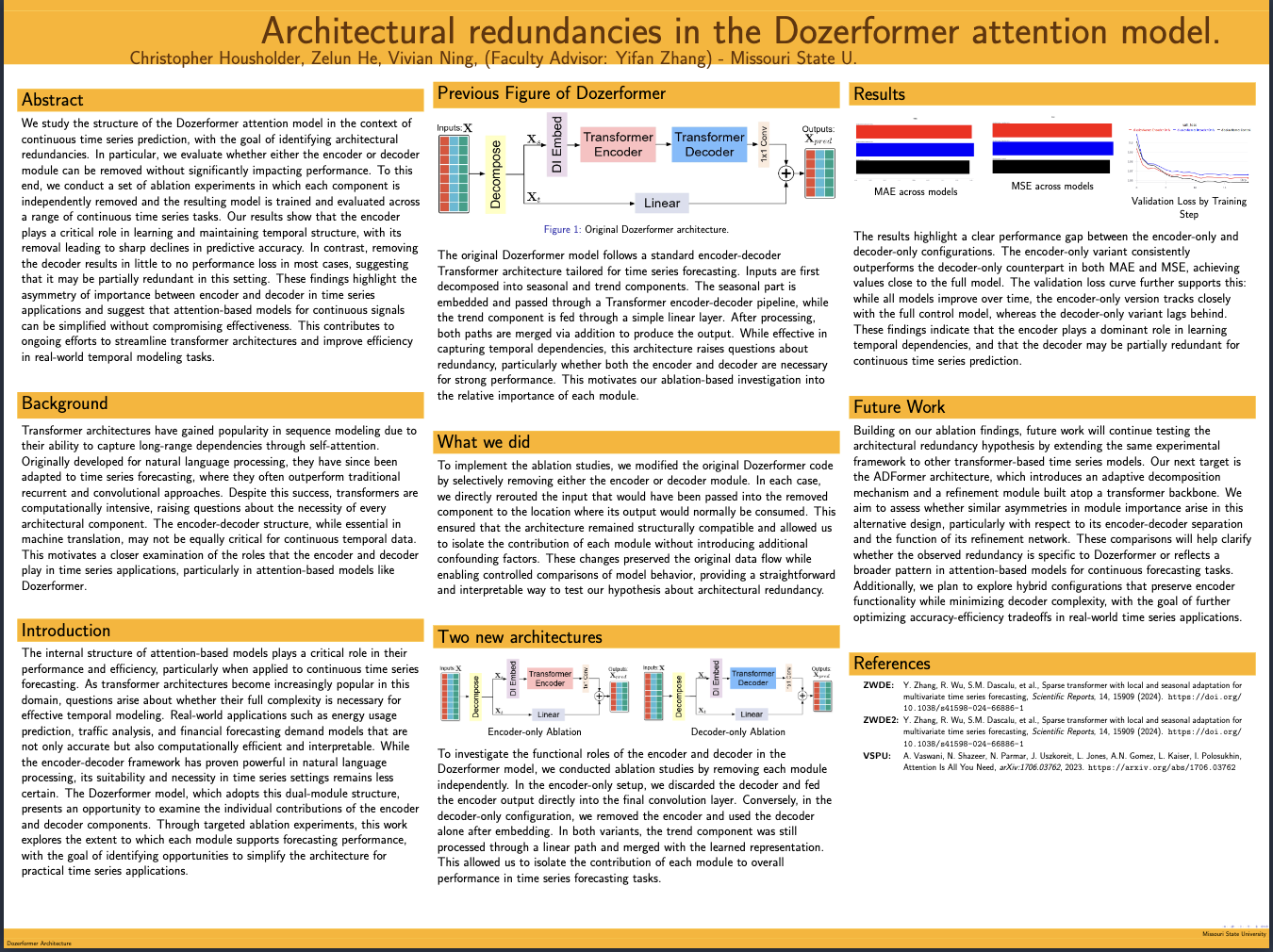
I ran controlled Dozerformer ablation experiments comparing full encoder–decoder, encoder-only, and decoder-only architectures for time-series forecasting, and coauthored the ITNG 2026 paper.
Which architectural components contribute to forecasting accuracy? Comparing the full model with simpler variants helps isolate the role of each component.
Python · PyTorch · Dozerformer · Ablation studies
Computational biology · Working manuscript · Not peer reviewed
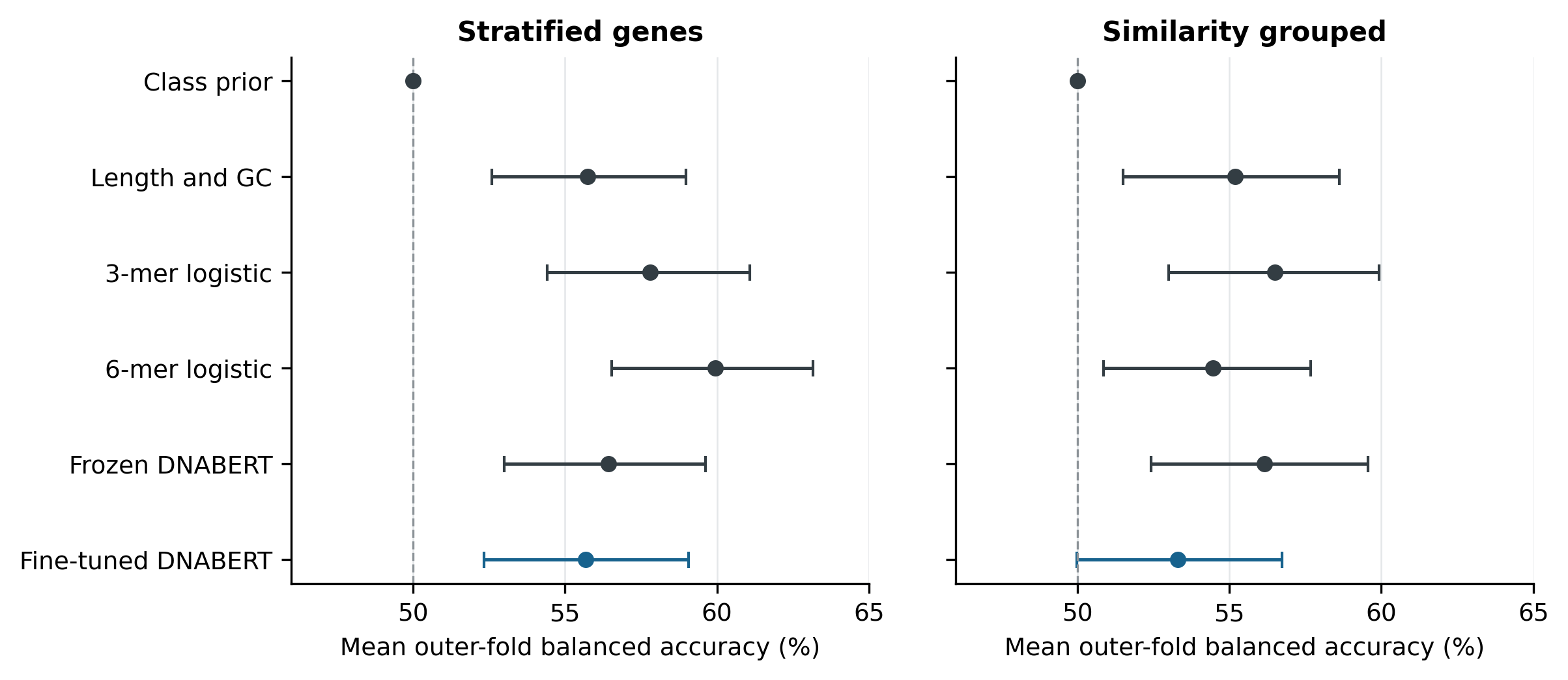
I built an auditable DNA-sequence benchmark comparing fine-tuned and frozen DNABERT with classical baselines, using nested evaluation and gene-level isolation.
Fixed stratified and similarity-grouped folds test generalization under different assumptions. Label audits, sequence provenance, and saved fit boundaries make the evaluation inspectable.
Under the tested protocol, fine-tuning did not establish an advantage over simple DNA-pattern baselines. The manuscript reports the methods, uncertainty, and limitations.
Python · PyTorch · DNABERT · scikit-learn · Nested cross-validation
Developed from research with Dr. Hui Liu at Missouri State University · Continued independently in 2026.
03 / Experience
Chapter 01 / Now
At Arrows Up, I modernize client websites with SvelteKit, connect CMS and conversion systems, and build reusable foundations for the next launch.
Arrows Up · Software Engineer
May 2026 — present
Chapter 02 / Product
At N-of-1 AI, I built Scribsy’s audio transcription and clinical documentation workflow. A full-stack product connecting recorded conversations, structured notes, and review.
N-of-1 AI · Software Engineering Intern
June — August 2025
Chapter 03 / Research
From transformer forecasting to DNA classification, I study what a model adds, how to measure it, and where the evidence stops.
Missouri State University · Research Assistant, 2025
Independent research · 2026
01 / 03
Scroll to discover
More projects

Drop in images, choose a format from a radial wheel, and export locally. Quality controls, resizing, and batch ZIP downloads keep the workflow in the browser.
JavaScript · Canvas API · File API
In progress
Manuscript upload, persisted narration jobs, chapter playback, and audiobook downloads. A worker saves completed chapters and supports recovery after an interrupted job.
Next.js · TypeScript · SQLite · Piper · FFmpeg · Docker
No signup · Sample studio · New audio generation requires the self-hosted backend
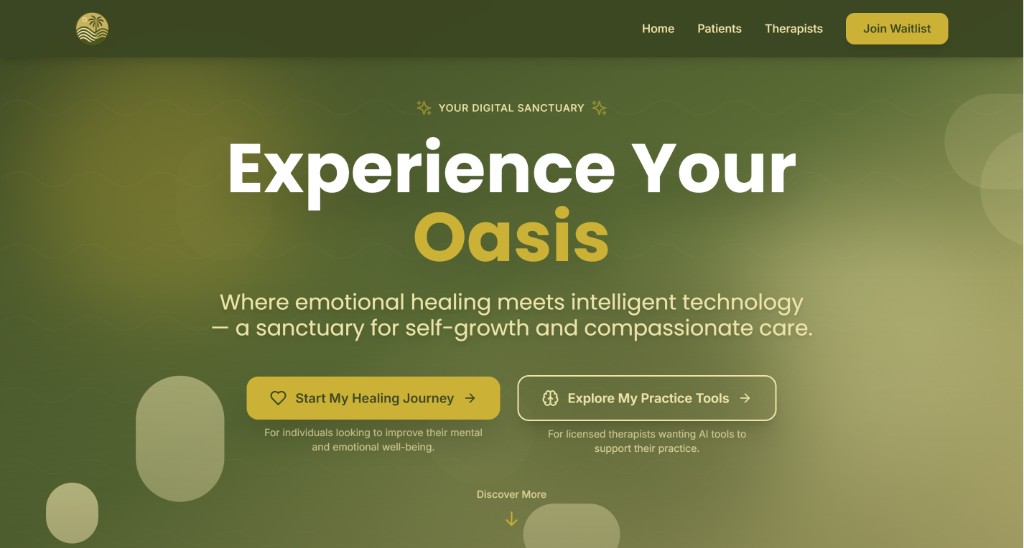
Front-end development for a wellbeing platform’s landing page, with improvements to responsive layouts and React performance.
React · Responsive interfaces · Performance
Professional team work
Encoder and decoder ablation experiments for transformer-based time-series forecasting, with a coauthored ITNG 2026 paper.
Python · PyTorch · Dozerformer · Ablation studies
Coauthored research · My contribution focused on ablation experiments
An auditable coding-DNA benchmark of 809 genes, comparing fine-tuned and frozen DNABERT with classical sequence baselines under nested stratified and similarity-grouped evaluation.
Python · PyTorch · DNABERT · scikit-learn · Nested cross-validation
Working manuscript · Not peer reviewed · Methods, results, and limitations available in the study
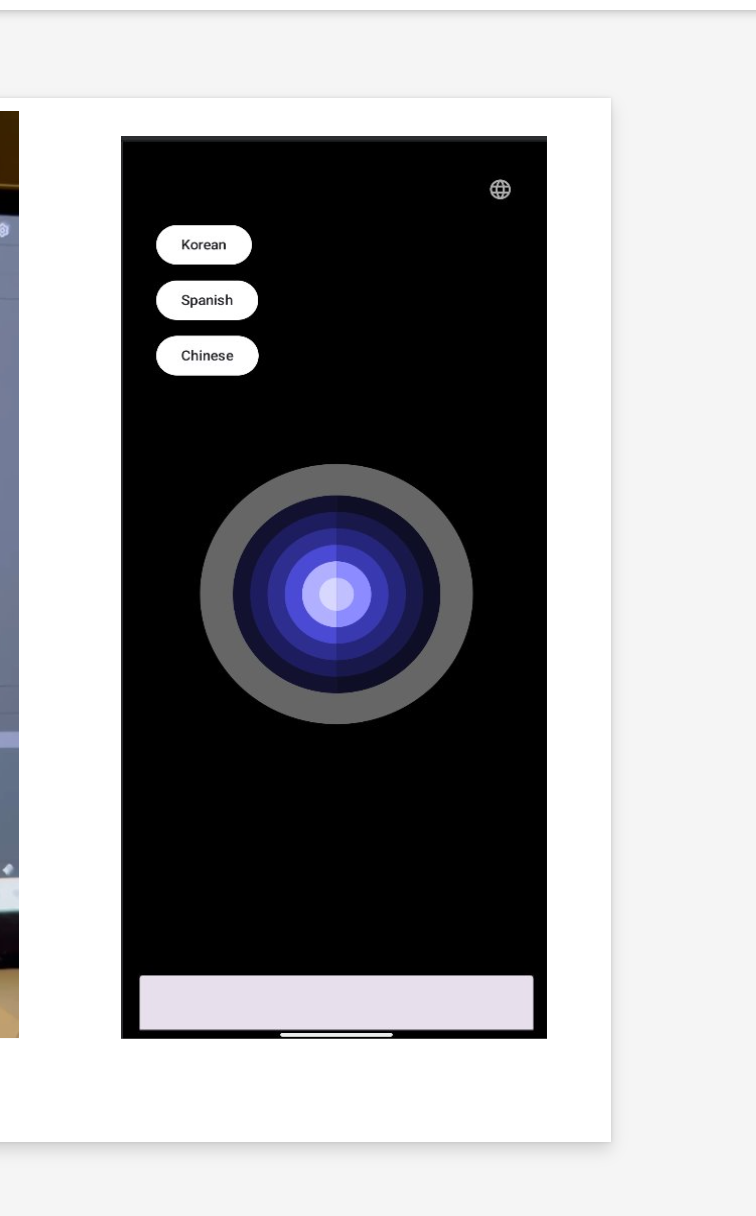
A mobile speech transcription and translation app connecting an Android interface to Whisper and Google Cloud APIs through a FastAPI backend.
Kotlin · FastAPI · Whisper
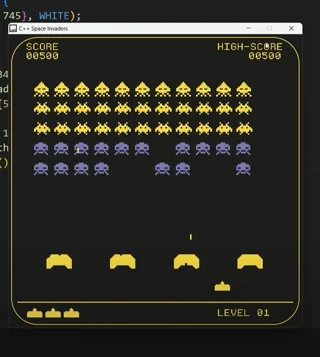
An arcade recreation built to explore game programming: alien waves, player controls, collision handling, and scoring.
C++ · Raylib · Game loops

A C++ matching engine using FIFO price-time priority, with latency metrics and a React demo interface for inspecting the order book.
C++ · Matching engine · React
One good conversation can start something.